Description
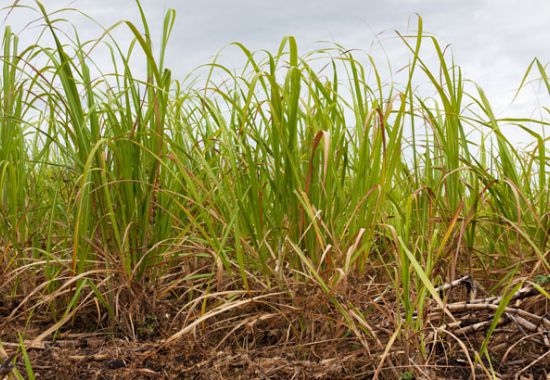
Sugarcane is a multi-year plant with a fasciculate root system developed from a robust rhizome. From this rhizome sprout the stems, which are a massive cane that can reach 2, 4 or 6 meters. The leaves are lanceolate with a hugging sheath, closed edges and pubescent surface. The inflorescence is a terminal panicle with a feathery appearance, dense and up to 60cm in length.
In Spain, the sugarcane crop is very limited. Approximately 17 hectares of sugar cane are cultivated, which generate a production of 1,091 tons per year. The most widespread variety In Spain is the NCO-310. Worldwide, it is customary to grow hybrids of species of the genus Saccharum. The countries with the most cultivated hectares are Brazil (> 5 million), India (4.3 million) and China (1.3 million).
Soil
They adapt to slightly flooded soils, but their Maximum production is obtained in light, humid and fertile soils. It can be adapted to medium or heavy textured soils with a pH of 5-8.5. It can withstand occasional waterlogging and is estimated to be moderately sensitive to salinity.
PH
Salinity
Quality
Temperature
Irrigation
Irrigation properties
Varieties
Other similar crops