The project fosters collaboration between companies, technology centers, and other stakeholders within the agri-food ecosystem, with the goal of accelerating the market uptake of new technologies that contribute to more efficient and sustainable fertilization. In this context, the project seeks to support the development, demonstration, and validation of innovative solutions that improve nutrient management and advance more sustainable agricultural production models.
The initiative is coordinated by the BETA Technology Centre at the Universitat de Vic – Universitat Central de Catalunya and brings together several European organizations working jointly over a three-year period to develop new business cases around biofertilizers and biostimulants.
Within the framework of the project, DASA is involved in the development of new plant-based biostimulant solutions obtained from plant extracts.
As part of these activities, DASA is engaged in the design and development of experimental trials aimed at evaluating the agronomic performance of these formulations. In particular, the studies focus on analyzing the performance of biostimulants under different abiotic stress conditions, as well as assessing their effects on plant physiological responses. The objective is to determine their potential to mitigate stress effects and improve crop tolerance to adverse environmental conditions.
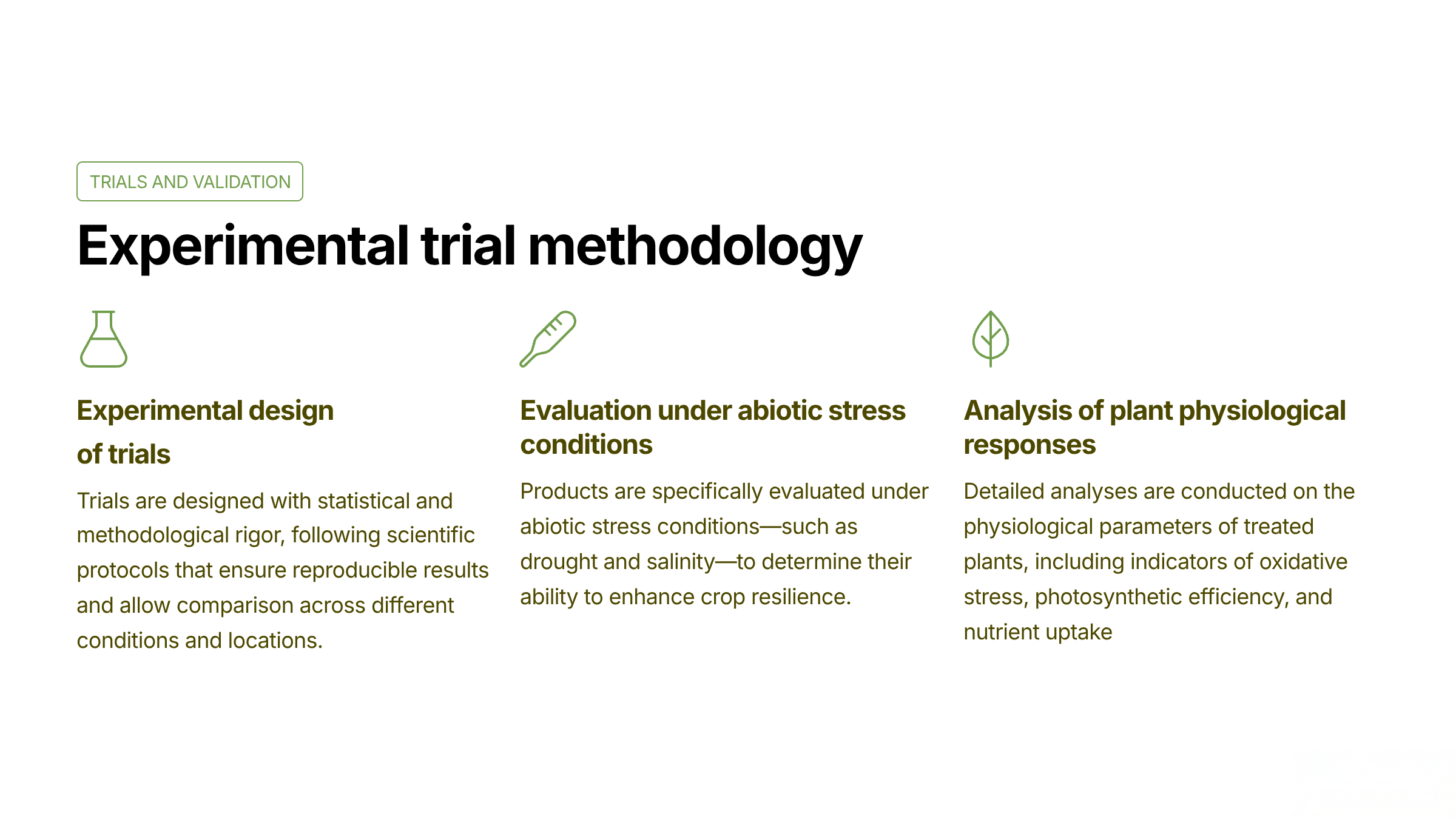
To carry out these studies, the project includes experimental trials under controlled conditions, developed in collaboration with the BETA Technology Centre, which will allow validation of the agronomic potential of these new solutions.
Innovation for more sustainable agriculture
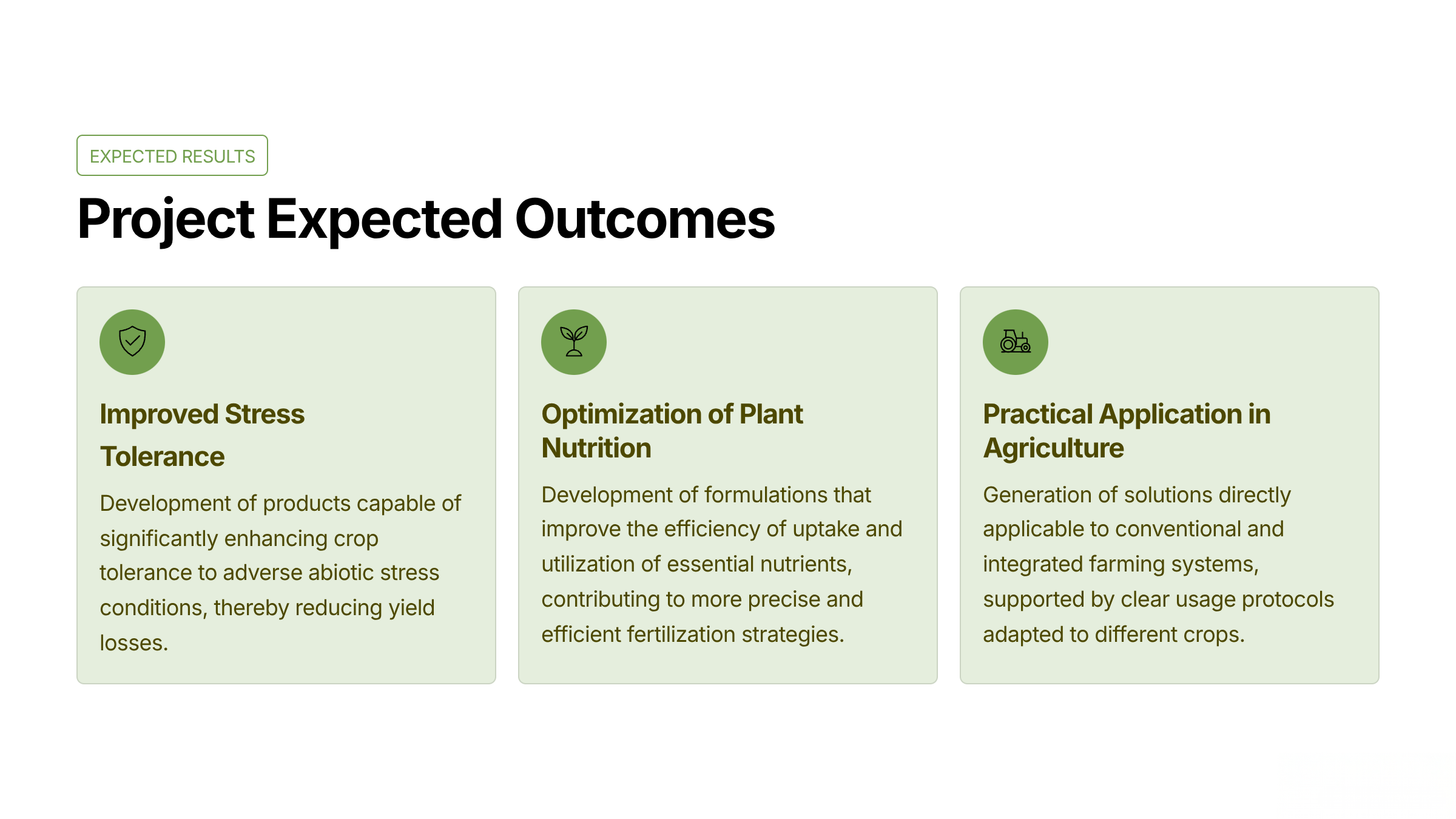
Participation in I3-4-BIOFERTILIZERS reinforces DASA’s commitment to research and the development of innovative solutions that contribute to more efficient and sustainable agriculture. Through this project, the company continues to explore new strategies based on natural resources to improve crop nutrition, optimize nutrient use, and advance towards more environmentally friendly agricultural production models.